How Much Does It Cost to Develop a Mobile App in 2026?
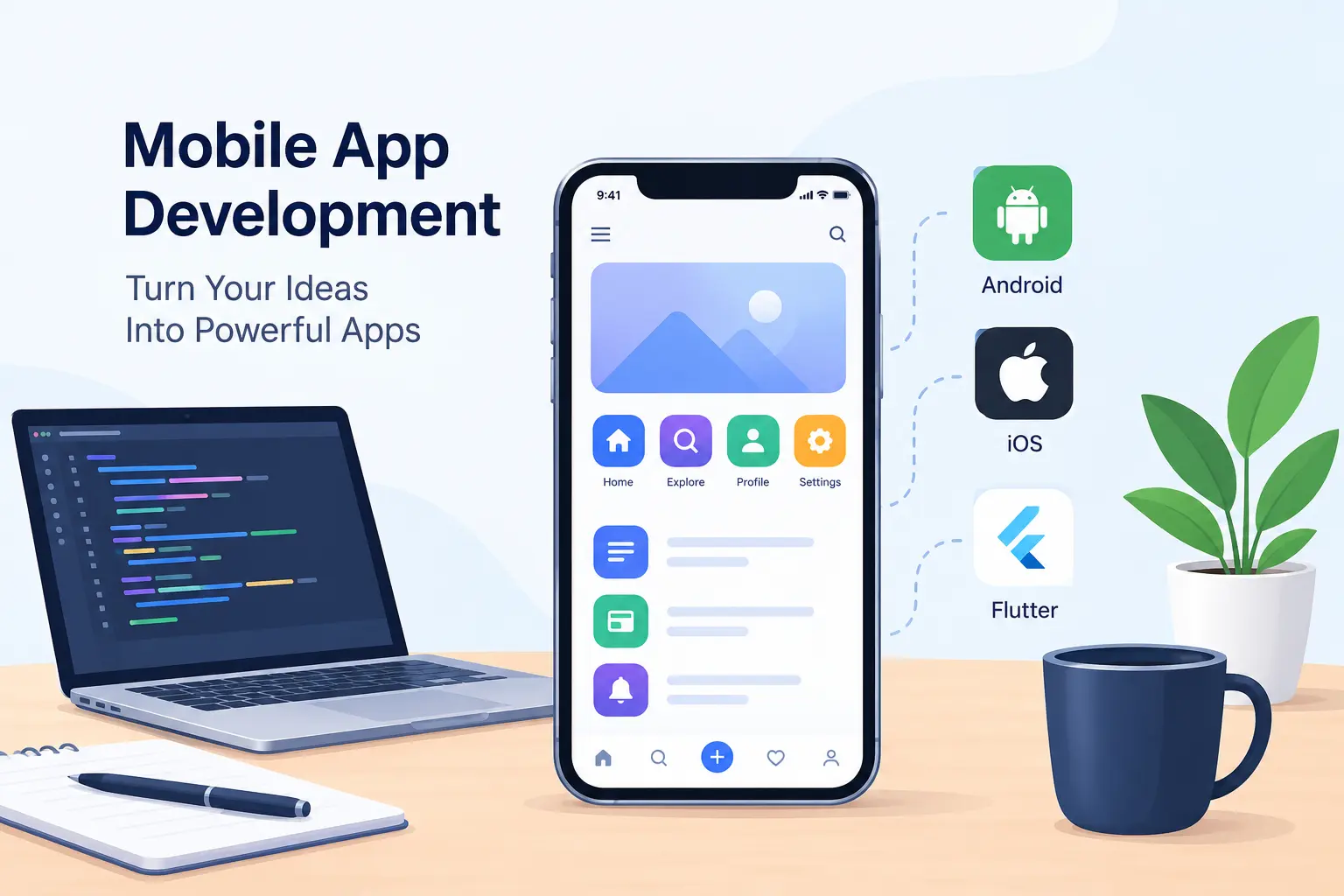
Planning to build a mobile app for your business? Whether you’re starting a new company, launching an online service, or looking to reach more customers, a mobile app can help you grow your business and improve customer engagement.
However, before investing in app development, most business owners want to know one thing: How much does it cost to develop a mobile app in 2026?
The cost depends on what you want your app to do. An app with basic features requires less development time and resources, while an application with advanced functionality, custom design, and a complex backend needs a bigger investment.
Let’s break down the estimated costs and understand what you should consider before starting your project.
Average Mobile App Development Cost in India (2026)
Mobile app development costs can vary depending on the features, design, technology, and overall complexity of the project.
Here is a general estimate of mobile app development costs converted into Indian rupees:
| App Type | Estimated Development Cost |
|---|---|
| Basic App | ₹4.75 lakh – ₹14.30 lakh |
| Medium-Complexity App | ₹14.30 lakh – ₹47.65 lakh |
| Advanced App | ₹47.65 lakh – ₹95.30 lakh+ |
| Enterprise-Level App | ₹95.30 lakh – ₹2.38 crore+ |
These estimates are converted from international development cost ranges using an approximate exchange rate of ₹95.30 per US dollar as of October 30, 2026.
Please note: These are currency-converted estimates, not fixed market quotations from Indian development companies. Actual development costs in India may be lower or higher depending on the development team, project requirements, and technology.
5 Factors That Affect Mobile App Development Cost
Why does one mobile app cost a few lakh rupees while another requires an investment of several crores? The difference usually comes down to the work involved in building and maintaining the application.
Here are five important factors that influence the final cost.
1. App Features and Functionality
Features are one of the biggest factors affecting your development budget.
For example, a basic business app with a home page, contact form, and service information is relatively simple to develop.
However, if you want features such as:
- User registration and login
- Online payment integration
- Real-time location tracking
- In-app chat and notifications
- Booking and appointment management
- AI-powered recommendations
The development process becomes more complicated, which increases the overall cost.
It’s always better to decide which features are essential before development begins.
2. UI/UX Design
Design is more than just choosing colours and adding attractive screens. A good mobile app should be easy to understand, comfortable to use, and simple to navigate.
The design cost depends on whether you need a basic interface or a completely custom design.
For example, an app with standard layouts and reusable design elements will generally cost less than one with custom animations, interactive elements, and unique screen designs.
Investing in a good user experience can also help keep users interested in your application.
3. Development Platform
The platform you choose also affects the development budget.
There are three common approaches:
- Android App Development: Building an application specifically for Android devices.
- iOS App Development: Developing an application for Apple devices such as iPhones and iPads.
- Cross-Platform Development: Using technologies such as Flutter or React Native to build applications for both Android and iOS with a shared codebase.
If you want to target both Android and iOS users, cross-platform development can help reduce development time and avoid maintaining two completely separate codebases.
The right option depends on your target audience, app requirements, and long-term plans.
4. Backend Development
The backend is the part of an application that works behind the scenes.
It manages important operations such as user accounts, databases, payments, notifications, and communication between the app and the server.
A simple application may need only a basic backend, while a large application with thousands of users, real-time updates, and multiple integrations requires a more advanced system.
The more backend functionality your app needs, the more development work will be involved.
5. Maintenance and Regular Updates
Launching your app is not the end of the development process.
Once users start using it, you may need to fix bugs, improve performance, update existing features, and make sure everything continues to work with newer versions of Android and iOS.
You should also consider server expenses, security updates, backups, and third-party service charges.
Keeping some budget aside for ongoing maintenance will help you avoid unexpected expenses after launch.
How to Reduce Mobile App Development Costs
You don’t always need a huge budget to turn your app idea into a working product. With the right planning, you can control development expenses without compromising on the features that matter most.
Here are some practical ways to manage your budget:
- Start with an MVP: Build a Minimum Viable Product with only the essential features. You can add more functionality after getting feedback from real users.
- Keep the first version simple: Avoid adding unnecessary features that increase development time.
- Choose suitable technology: Consider Flutter or React Native if you want to target both Android and iOS.
- Use reusable components: Reusing suitable design elements and code can save development time.
- Plan everything in advance: A clear project scope helps prevent unnecessary changes and additional costs.
- Improve the app gradually: Use customer feedback to decide which features should be added next.
The idea is simple: build what your users actually need instead of spending money on features they may never use.
Why Choose a Professional Mobile App Development Company?
Choosing the right development partner can make a significant difference to your project.
An experienced mobile app development company can help you understand your requirements, select the right technology, and plan the development process properly.
A professional team can assist with:
- Understanding your business idea and requirements
- Creating a user-friendly UI/UX design
- Choosing the right development platform
- Building frontend and backend functionality
- Testing the application before launch
- Publishing the app on Google Play and the Apple App Store
- Providing ongoing support and maintenance
Working with an experienced team also helps reduce technical mistakes and makes it easier to manage your project as your business grows.
Final Thoughts
So, how much does it cost to develop a mobile app in 2026?
The answer depends on the type of application you want to build, the features you need, your choice of technology, and the development team you hire.
A basic app may be enough to get your business started, while a more advanced application may require a larger investment. Instead of focusing only on the initial price, think about how the app will support your business in the long run.
Start with a clear idea, set a realistic budget, and prioritise the features that offer genuine value to your customers.
A well-built mobile app isn’t just another business expense. It can become an important part of your business growth strategy.
Frequently Asked Questions (FAQs)
1. How much does it cost to develop a mobile app in 2026?
The estimated cost can start at around ₹4.75 lakh for a basic app. Medium-complexity applications may cost between ₹14.30 lakh and ₹47.65 lakh, while advanced apps can require ₹47.65 lakh or more. The actual price depends on your project requirements and development partner.
2. How long does it take to develop a mobile app?
A basic mobile app may take around 1–3 months to develop. Medium-complexity applications can take 4–6 months, while advanced projects may require 6–9 months or longer. The timeline depends on the number of features, design requirements, testing, and integrations.
3. Is Flutter cheaper than native app development?
In many cases, yes. Flutter allows developers to build Android and iOS applications using a shared codebase. This can reduce development time and cost compared with building two separate native applications. However, the final cost depends on the app’s functionality and technical requirements.
4. Can I develop a mobile app with a limited budget?
Yes. You can begin with an MVP (Minimum Viable Product) that includes only the most important features. Once your app starts attracting users and generating feedback, you can invest in additional functionality.
5. Does mobile app development cost include maintenance?
Not always. Development and maintenance are often quoted separately. Maintenance may include bug fixes, security updates, performance improvements, server management, and compatibility updates. Always clarify these costs before signing a development agreement.